
名名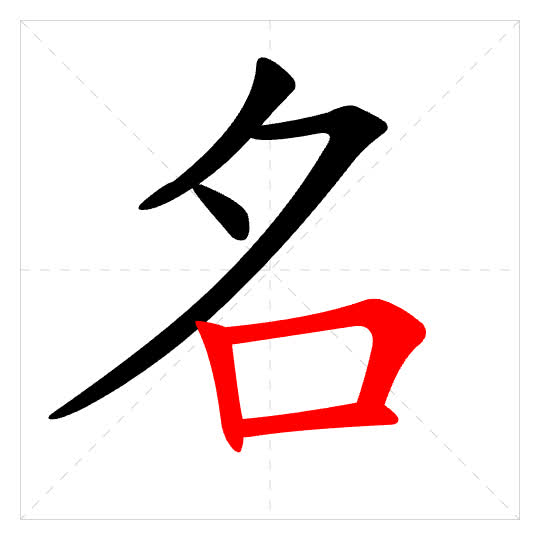
Basic Meaning
n
refers to the designation or title for people, places, or objects; often used in everyday contexts
name (of a person or thing)
(~儿)名字,人或事物的称谓。
Sentences:
- 他的名字叫李明His name is Li Ming.
- 这个城市的名字很有特色The name of this city is very distinctive.
- 请填写你的姓名Please fill in your full name.
v
used in formal or literary contexts to indicate naming; less common in casual speech
to be named; to call by name
名字叫做。
Words:
姓甚名谁
Sentences:
- 这座山名黄山This mountain is named Huang Shan.
- 他姓甚名谁What is his full name?
n
often used in phrases to describe something in name only or as a formality
pretext; nominal reason
名义。
Words:
名正言顺名存实亡
Sentences:
- 他只是名义上的经理He is only the nominal manager.
- 这个组织已经名存实亡This organization exists in name only.
n
refers to social standing or prestige; can be positive or negative depending on context
reputation; fame
名望;声誉。
Words:
Sentences:
- 他在音乐界很有名He is very famous in the music industry.
- 她不为名利所动She is not swayed by fame and fortune.
adj
used as an adjective to describe well-known people, places, or things
famous; renowned
有名的;出名的。
Words:
名人名医名著名画名山名师
Sentences:
- 这是一位名医This is a famous doctor.
- 我们参观了一座名山We visited a famous mountain.
v
literary usage; often found in classical or formal expressions
to describe; to express in words
〈书〉说出;描述。
Words:
莫名其妙不可名状
Sentences:
- 这种感觉难以名状This feeling is indescribable.
- 他莫名其妙地生气了He got angry for no apparent reason.
v
archaic or literary verb meaning to have or hold something; rarely used in modern speech
to possess; to own
〈书〉占有。
Words:
一文不名不名一钱
Sentences:
- 他一文不名,生活很困难He is penniless and living in hardship.
q
used as a classifier, e.g., for counting individuals or positions in a list
measure word for people or rankings
量词。①用于人;②用于名次。
Sentences:
- 我们班有三十名学生There are thirty students in our class.
- 他得了第一名He got first place.
Writing & Component
Radical口
Structuretop_bottom
Stroke Count6
Strokes丿㇇丶丨𠃍一