
吃吃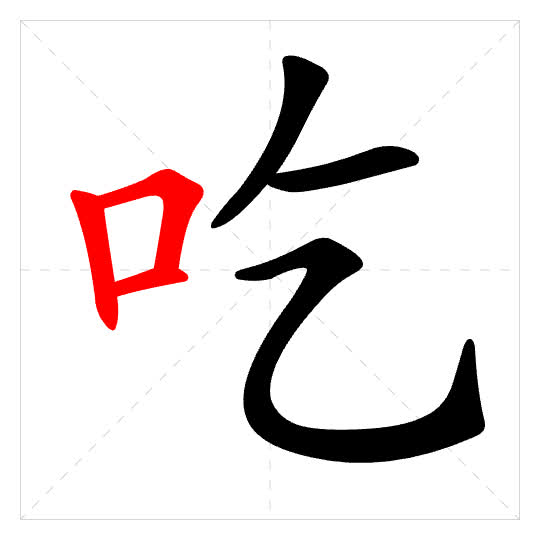
Basic Meaning
v
covers eating, drinking, and taking medicine; often used in daily life
to eat; to drink; to consume (food or medicine)
把食物等放到嘴里经过咀嚼咽下去(包括吸、喝)。
Words:
Antonyms:
吐
Sentences:
- 我每天吃早饭I eat breakfast every day.
- 他生病了,需要吃药He is sick and needs to take medicine.
v
used in contexts about livelihood or dependency
to rely on something for a living
依靠某种事物来生活。
Words:
吃老本靠山吃山,靠水吃水吃劳保吃利息
Sentences:
- 他靠吃老本生活He relies on his savings to live.
- 这个村子靠山吃山This village relies on the mountains for a living.
v
specifically for liquids, like ink or water absorption
to absorb (liquids)
吸(液体)。
Words:
吃墨吃水
Sentences:
- 这种纸不吃墨This type of paper doesn't absorb ink well.
- 海绵吃水很快The sponge absorbs water quickly.
v
commonly used in military or chess contexts
to eliminate; to destroy (often in war or games)
消灭;消除(多用于打仗、下棋)。
Sentences:
- 在象棋里,马吃了我的车In chess, the knight eliminated my rook.
- 军队吃掉了敌人的主力The army destroyed the enemy's main force.
v
often used with emotions or physical states
to experience; to bear; to endure
感受;承受。
Words:
吃惊吃闭门羹吃得消吃得住吃不消
Sentences:
- 这个消息让我很吃惊This news made me very surprised.
- 他吃不消这么重的工作He can't bear such heavy work.
v
used for understanding or mastering something
to comprehend; to grasp
领悟;掌握。
Words:
吃不准吃透
Sentences:
- 她吃透了这本书的内容She thoroughly comprehended the content of this book.
- 我吃不准这个答案I'm not sure about this answer.
v
refers to using up resources, especially effort
to consume; to expend (effort or energy)
耗费。
Words:
吃力吃劲
Sentences:
- 搬箱子很吃力Moving boxes is very strenuous.
n
used as a noun, often in phrases about sustenance
food; things to eat
吃的东西。
Words:
缺吃少穿有吃有穿小吃
Sentences:
- 这个市场有很多小吃This market has a lot of snacks.
- 他们缺吃少穿They lack food and clothing.
v
describes one object going into another
to enter into; to sink into
某物体进入零一物体;没入。
Sentences:
- 钉子吃进了木头里The nail sank into the wood.
- 船吃水很深The ship sinks deep into the water.
v
used for accepting situations or treatment
to accept; to acknowledge
接受;认可。
Words:
吃官司吃软不吃硬
Sentences:
- 他吃软不吃硬He accepts gentle persuasion but not force.
- 他因为违法吃了官司He accepted a lawsuit because he broke the law.
v
specifies location or type of meal arrangement
to eat at a place or according to a standard
在某一地方或按某种标准用餐。
Words:
吃食堂吃大锅饭吃小灶
Sentences:
- 我们中午吃食堂We eat at the cafeteria at noon.
Writing & Component
Radical口
Structureleft_right
Stroke Count6
Strokes丨𠃍一丿一㇈