
凡凡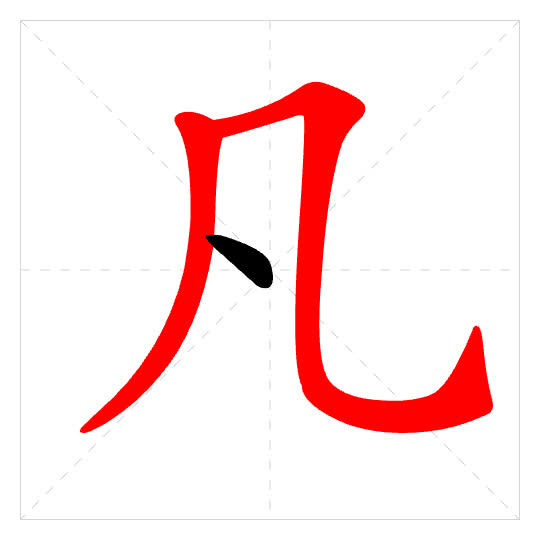
Basic Meaning
adj
Often appears in compounds to describe what is common, unremarkable, or lacking in special qualities.
ordinary; common
平常,普通。
Words:
自命不凡非凡平凡凡庸凡品
Sentences:
- 这是一件平凡但温暖的故事This is an ordinary yet heartwarming story.
- 他自命不凡,认为没人能超越自己。He considers himself extraordinary and believes no one can surpass him.
n
mortal world
宗教和神话中称人世间。
Words:
凡胎俗骨超凡脱俗神仙下凡下凡思凡
Sentences:
- 在神话里,神仙下凡是为了帮助凡人。In mythology, gods descend to the mortal world to help ordinary people.
- 这个故事讲的是一位思念凡间的仙女。This story is about a fairy longing for the mortal world.
adv
This sense is most commonly used in the fixed structure 凡是...都/就... (Fan2shi4... dou1/jiu4...), meaning 'All those who/that...' or 'Every time that...'. It indicates a conditional generalization.
all; every (when used as an adverb in the structure '...的')
凡是,所有的。
Words:
不知凡几凡是
Sentences:
- 凡是他答应的事,就一定会做到。Every time he promises to do something, he always gets it done.
- 凡是参加活动的人,都可以获得一份小礼物。Everyone who participates in the event can receive a small gift.
n
outline; summary
〈书〉概要,要略。
Words:
凡例大凡发凡发凡起例
Sentences:
- 请先阅读词典前面的凡例。Please read the explanatory notes at the front of the dictionary first.
- 这本书的凡例部分说明了编写规则。The front matter of this book explains the editorial principles.
adv
A literary or formal usage to indicate a total sum or count.
in all; altogether
〈书〉总共。
Sentences:
- 全书凡二十章,内容丰富。The book contains twenty chapters in all, and the content is rich.
- 参与这次调查者凡五千人。The total number of participants in this survey was five thousand.
Writing & Component
Radical几
Structuresingle
Stroke Count3
Strokes丿㇈丶