
修修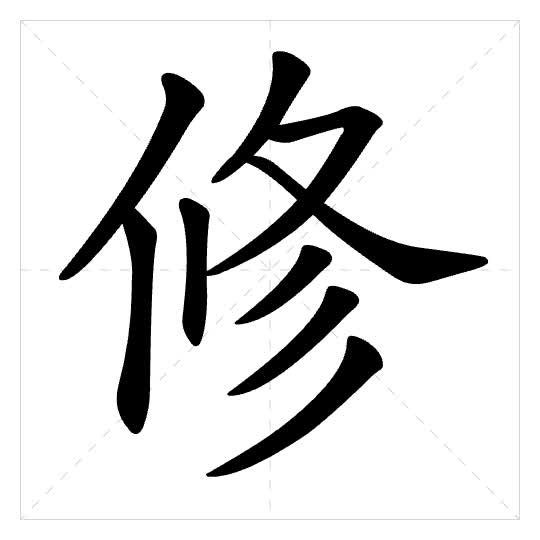
Basic Meaning
v
Often used in terms like 装修 (interior decoration) and 修饰 (to embellish). When describing a person's appearance, it implies tidiness and grooming.
to decorate and tidy up; to beautify.
装饰整理,使整齐美观。
Words:
修面不修边幅修饰装修
Sentences:
- 他出门前总要花时间好好修面。He always spends time shaving carefully before going out.
- 这套公寓需要重新装修一下。This apartment needs to be redecorated.
v
The most common meaning for 'repair', applicable to objects (cars, appliances, roads). It can also mean 'to renovate' (e.g., 整修).
to repair; to fix; to mend.
修理;整治。
Words:
修补修复修配保修维修整修年久失修修旧利废
Sentences:
- 我的手表坏了,得找人修一修。My watch is broken; I need to find someone to fix it.
- 这条路正在维修,请绕行。This road is under repair; please take a detour.
v
A formal/written usage, often found in historical or literary contexts, as in 修史 (to compile a history).
to write; to compile.
写,编写。
Words:
修书编修修史
Sentences:
- 他正在为这部纪录片修稿。He is currently revising/editing the draft for this documentary.
v
Related to self-improvement or professional study. 进修 means 'to pursue further studies'. 修养 refers to 'self-cultivation' or 'moral character'.
to study; to refine (knowledge or oneself).
钻研学习,研究。
Words:
自修进修修业修养研修
Sentences:
- 她打算明年去国外进修一年。She plans to go abroad for a year of advanced study next year.
- 每天读书是自我修养的好方法。Reading every day is a good method for self-cultivation.
v
Specifically refers to religious or spiritual practice, common in contexts like Buddhism, Taoism, or martial arts.
to practice religious or spiritual cultivation.
修行,一种宗教行为,学习并遵行某种宗教的教义。
Words:
修仙修道
Sentences:
- 传说他隐居山中是为了修仙。Legend has it that he lives in seclusion in the mountains to practice Taoist immortality.
v
Used for constructing infrastructure like roads, bridges, and dams. It's more formal than 建 and often used in compounds like 修建.
to build; to construct.
兴建;建筑。
Words:
兴修修建修筑修水库修渠
Sentences:
- 政府计划在这里修筑一条高速公路。The government plans to build a highway here.
v
Specifically means to cut something to make it neat, like hair, nails, or tree branches.
to trim; to prune.
剪、削使整齐。
Words:
修剪修树枝修指甲
Sentences:
- 我每周都要修一次指甲。I need to trim my nails once a week.
- 园丁正在修剪花园里的灌木。The gardener is pruning the shrubs in the garden.
adj
A classical/literary adjective meaning 'long' or 'tall and slender'. Not commonly used in modern daily speech, except in idioms like 修长.
(literary) long; tall.
长(cháng)。
Words:
修长茂林修竹
Sentences:
- 她的手指修长,很适合弹钢琴。Her fingers are long and slender, very suitable for playing the piano.
Writing & Component
Radical亻
Structureleft_right
Stroke Count9
Strokes丿丨丨丿㇇㇏丿丿丿