
人人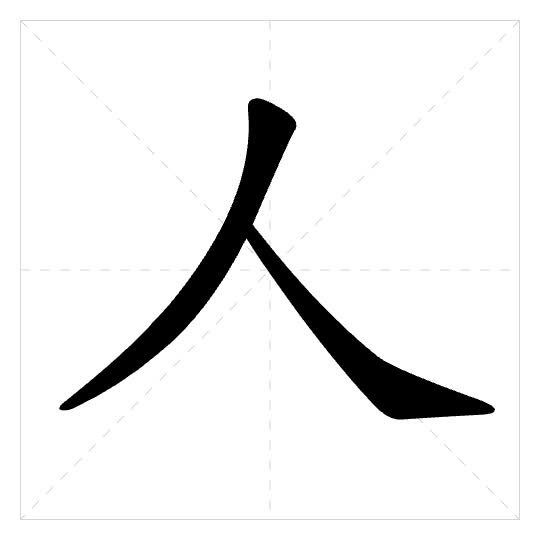
Basic Meaning
n
The most basic sense of 'human being'.
human; person; humankind (a higher animal capable of making and using tools for labor).
能制造工具并能使用工具进行劳动的高等动物。
Sentences:
- 地球上有很多人。There are many people on Earth.
- 他是一个好人。He is a good person.
n
Used to indicate 'per person' or 'people in general'.
everyone; everybody; each person.
每人;一般人。
Words:
人手一本人手一册人所共知人人有责人人
Sentences:
- 人人都会犯错。Everyone makes mistakes.
- 这件事人所共知。This matter is known to everyone.
n
adult; grown-up.
成年人。
Words:
长大成人成人成年人
Sentences:
- 他已经长大成人了。He has already grown up to be an adult.
n
Often combined with another character to specify a type of person, e.g., 工人 (gong1ren2) - worker.
a person engaged in a certain type of work or activity; -er/-or/-ist.
指某种人。
Sentences:
- 我父亲以前是军人。My father was a soldier before.
- 那位客人刚离开。That guest just left.
n
other people; others.
别人。
Words:
人自为战人见人爱人云亦云助人为乐待人诚恳
Sentences:
- 她待人很诚恳。She treats others very kindly.
- 我们要学会助人为乐。We should learn to find joy in helping others.
n
person's character, personality, or reputation.
指人的品质、性格或名誉。
Words:
丢人现眼为人公正丢人
Sentences:
- 他为人很公正。He is a very fair-minded person.
- 在那么多人面前摔倒,真丢人。Falling down in front of so many people is really embarrassing.
n
person's body and spirit.
人的身体和精神。
Sentences:
- 最近工作太忙,我觉得人很累。Work has been too busy lately, I feel exhausted (both physically and mentally).
n
Refers to human resources or manpower.
personnel; workforce; talent.
指人手、人才。
Words:
丢人现眼辱人贱行人手人才人浮于事
Sentences:
- 我们公司人手不够。Our company doesn't have enough personnel.
- 他是个难得的人才。He is a rare talent.
n
Often used in formal or legal contexts, like 自然人 (zi4ran2ren2) - natural person, or 法人 (fa3ren2) - legal entity.
person possessing certain attributes.
具有一定属性的人。
Words:
自然人法人
Sentences:
- 这家公司是独立的法人。This company is an independent legal entity.
- 自然人和法人的权利不同。Natural persons and legal entities have different rights.
Writing & Component
Radical人
Structuresingle
Stroke Count2
Strokes丿㇏