
了了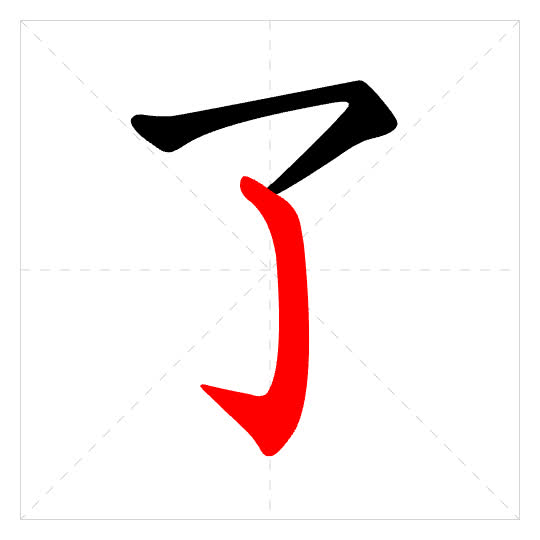
Basic Meaning
part
aspect particle; indicates completed action (perfective aspect)
Aspect particle placed after a verb or adjective to indicate the completion of an action or change. 1) For actions or changes that have actually occurred. 2) For expected or hypothetical actions.
用在动词或形容词后面,表示动作或变化已经完成。①用于实际已经发生的动作或变化。②用于预期的或假设的动作。
Words:
买了低了
Sentences:
- 我昨天买了三本书。I bought three books yesterday.
- 要是明天下雨了,我们就不出门。If it rains tomorrow, we won't go out.
- 房间里的温度低了两度。The room's temperature dropped by two degrees.
part
sentence-final particle; indicates a change of state
Sentence-final particle indicating a change of state or the emergence of a new situation. 1) Indicates a situation has already occurred or is about to occur. 2) Indicates a situation arising under certain conditions. 3) Indicates a change in understanding, thought, opinion, or action.
用在句子末尾或句中停顿的地方,表示变化或出现新的情况。①表示已经出现或将要出现某种情况。②表示在某种条件之下出现某种情况。③表示认识、想法、主张、行动等有变化。
Words:
下雨了出门了知道了春天了
Sentences:
- 外面下雨了。It's raining outside now.
- 我们该出门了。We should leave now.
- 我知道了,谢谢你。I understand now, thank you.
part
modal particle; indicates urging, command, or exclamation
Particle used at the end of a sentence or in a pause within it to express urging, dissuasion, command, or an exclamatory tone.
用在句末或句中停顿处,表示催促、劝阻、命令或感叹的语气。
Words:
好了差不多了走了算了春天了
Sentences:
- 好了,大家安静一下。Alright, everyone quiet down a bit.
- 别说了!我不想听。Stop talking! I don't want to hear it.
- 差不多了,我们走吧。That's about enough, let's go.
part
modal particle; indicates exclamation
Modal particle used at the end of an exclamatory sentence to express exclamation.
语气助词,用于感叹句末,表感叹。
Sentences:
- 这风景真是太美了!This scenery is so beautiful!
part
modal particle; indicates an incomplete list
Modal particle. Used in enumeration to indicate that the list is not exhaustive.
语气助词。用于列举,表示不一而足。
Sentences:
- 他喜欢运动,跑步了,游泳了,打球了,什么都喜欢。He likes sports—running, swimming, playing ball, he likes it all.
Writing & Component
Radical乛
Structuresingle
Stroke Count2
Strokes㇇亅
Common Words
Related Articles
One unified blog surface for comparison and usage reading, grouped by the same headword.